
Nature gives us more than beautiful landscapes.
It provides the air we breathe, the water we drink, the food we eat, and the ecosystems that sustain life. Forests absorb carbon, wetlands help reduce flooding, oceans help regulate temperatures, and biodiversity helps keep natural systems functioning. It supports communities, livelihoods, and economies, making it one of our greatest resources and strongest allies in building a sustainable future.
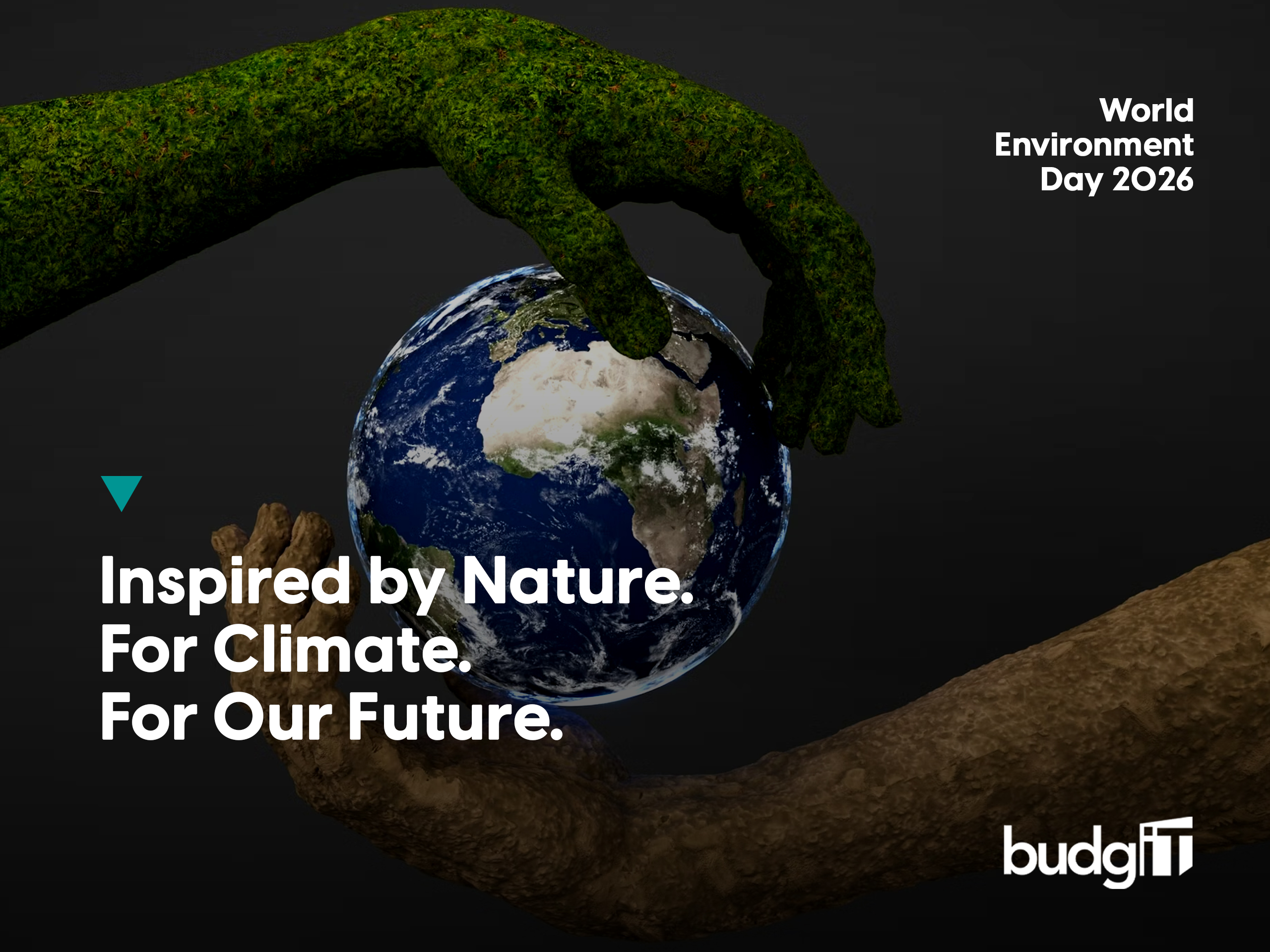
That makes this year’s World Environment Day theme, “Inspired by Nature. For Climate. For Our Future,” especially relevant and timely.
The connection between nature and climate is becoming more visible every year. Across the world, rising temperatures, floods, droughts, wildfires, biodiversity loss, and pollution are affecting people, communities, and economies, consistently giving us signals that something is not okay.
In Nigeria, these realities are becoming increasingly familiar.
Flooding continues to destroy homes, farmlands, roads, and critical infrastructure across several states. Coastal communities face erosion and rising sea levels that threaten livelihoods, while changing rainfall patterns continue to affect agricultural productivity and food security. Urban centres are grappling with rising temperatures, pollution, waste management challenges, and the pressures of rapid urbanisation.
In oil-producing communities, environmental degradation and gas flaring remain significant concerns, affecting ecosystems, contributing to greenhouse gas emissions, and impacting public health and community well-being.
These challenges affect far more than the environment. They influence livelihoods, food systems, public health, economic productivity, and national development.
The future we want depends on the decisions we make today.
Nigeria has already outlined important climate commitments through its Nationally Determined Contributions (NDC 3.0) under the United Nations Framework Convention on Climate Change and the Paris Agreement, as well as its Energy Transition Plan. Together, they set out a vision of cleaner energy, stronger climate resilience, greater energy access, and sustainable economic growth.
That vision includes reducing greenhouse gas emissions by 29% by 2030 and 32% by 2035, achieving net-zero emissions by 2060, increasing renewable energy adoption to 5% of the electricity mix by 2030, and ending routine gas flaring.
Through the Energy Transition Plan, Nigeria is also advancing efforts to expand reliable energy access, support economic development, and create opportunities for millions of Nigerians. Expanding renewable energy can strengthen communities, support businesses, improve electricity access, and create new opportunities in climate-smart agriculture, waste recycling, innovation, and youth-driven environmental solutions.
Across Nigeria, young people, researchers, civil society organisations, and environmental advocates are already contributing through innovation, awareness, research, and community action. Their efforts continue to demonstrate what is possible when environmental sustainability becomes a shared priority.
World Environment Day is an opportunity to reflect on the role we all play in shaping a healthier environment and a more sustainable future. Governments can strengthen environmental governance and ensure climate commitments translate into measurable results. Businesses can invest in cleaner technologies and sustainable practices. Financial institutions and development partners can support climate adaptation, renewable energy, and resilient infrastructure. Citizens can contribute through responsible consumption, energy conservation, waste reduction, and environmental stewardship.
Today, let’s be reminded that protecting nature is about protecting ourselves.
The forests, rivers, wetlands, oceans, and ecosystems that sustain life today will shape the quality of life available to future generations.
Every decision we make today becomes part of the future we leave behind.
Nature is already showing us what is at stake.
The climate is reminding us of the cost of inaction.
The future depends on what we choose to do next.
Happy World Environment Day.