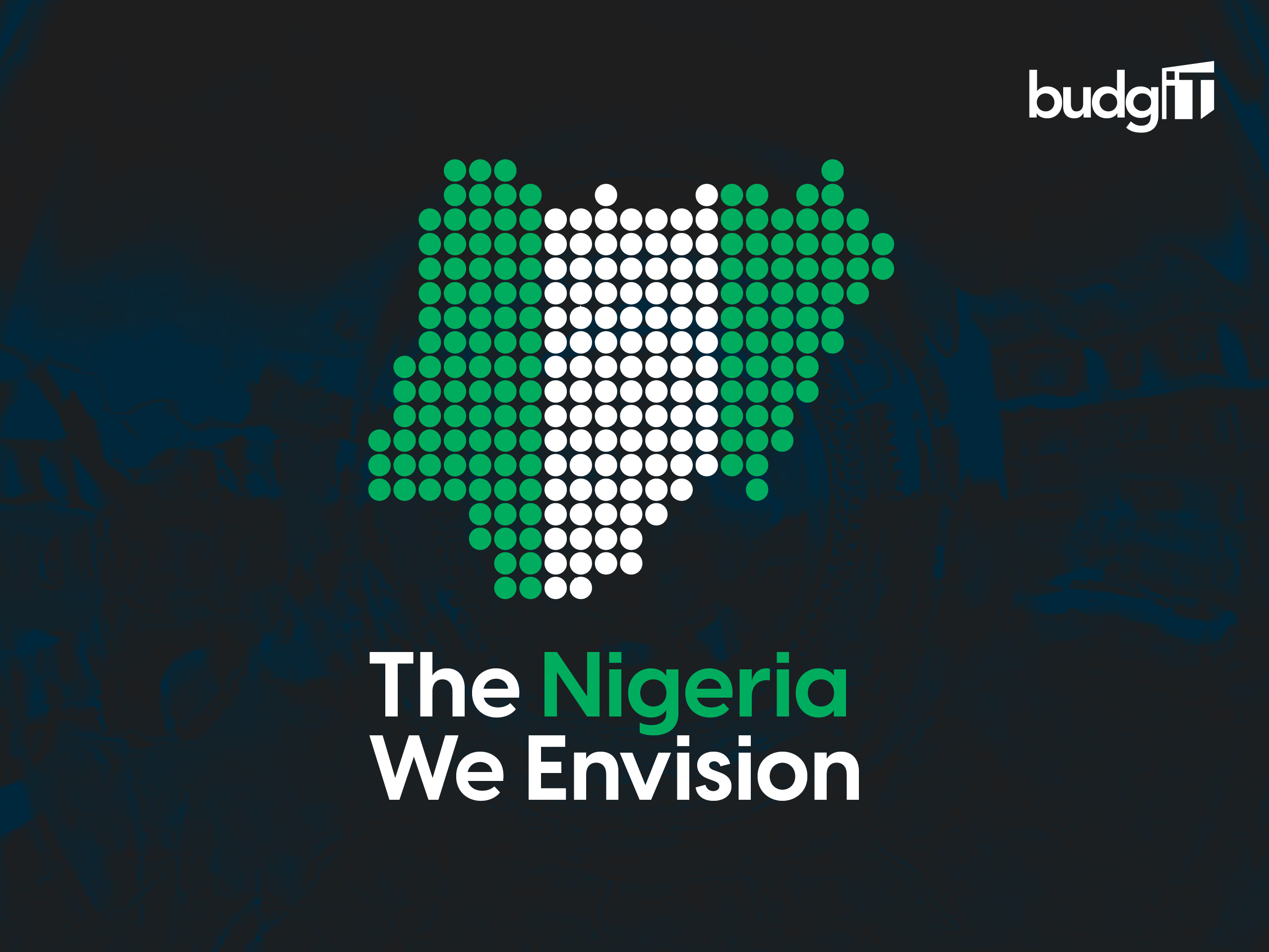

The Nigeria We Envision

Author

Mary Adegoke

On October 1, 1960, Nigeria gained independence and became a sovereign nation. It was a significant moment that gave Nigerians the opportunity to govern themselves and shape the future of their country.

Since then, October 1 has remained a day to look back at how far Nigeria has come, but also to think about where we are going. After 66 years of independence, perhaps the bigger question is not just how much has changed, but what kind of country we still want to build.

At independence, there was hope for a country that could stand on its own, use its resources well and create opportunities for its people. Decades later, that ambition was reflected in Nigeria’s Vision 20:2020, launched in 2009 with the goal of positioning the country among the world’s 20 largest economies by 2020. However, visions are most meaningful when they translate into real improvements in people’s lives.

Nigeria is blessed with abundant natural resources, fertile land, and diverse ecosystems and a large. The country has an estimated 82 million hectares of arable land, with less than half currently under cultivation, highlighting the scale of its agricultural potential. From agriculture and oil and gas to solid minerals, technology, entertainment, fashion and many other creative industries, the country has resources and talent that can create enormous value. At the heart of it all are the people of Nigeria.

Nigerians have consistently shown an ability to create, adapt and build. From entrepreneurs creating businesses from scratch to young people building careers in technology, music, film and other industries, Nigerians continue to find ways to turn ideas into opportunities. Nigeria’s large, young and entrepreneurial population is a significant part of this potential, particularly as the country looks to expand innovation and productivity.

Our diversity is another strength. Different languages, cultures, traditions, foods, music and ways of life come together to give Nigeria a rich and distinctive cultural identity.

Another important question remains: what do we do with what we have?

Today, Nigeria is a country of immense potential, but also one with real challenges. We have seen remarkable growth in technology, entertainment, entrepreneurship and other areas. Nigerians continue to create, innovate and find ways to move forward, often in difficult circumstances. But resilience should not have to be our only survival strategy.

A country that works should make it easier for its people to live, work and build. That means schools that function, hospitals that people can rely on, infrastructure that supports communities and businesses, and public resources that are used for the purpose they were meant for.

It also means asking simple questions about how public money is used. Was the money released? Was it spent as planned? Was the project completed? Did people actually benefit?

These are not just government questions. They are citizens’ questions too, because public finance eventually finds its way into our everyday lives. It affects the school a child attends, the hospital we visit and the opportunities available to us.

And this is where the idea of a free Nigeria goes beyond the freedom we gained in 1960. Freedom should also mean having access to information, being able to ask questions and having a say in decisions that affect our communities. A free Nigeria should be one where citizens can understand what their government has promised.

So, what does the Nigeria we envision look like?

Perhaps it is a Nigeria where a child’s future is not determined by where they were born. Where public resources create visible value. Where information about government spending is available and easy to understand. Where institutions work, businesses can grow and citizens can participate meaningfully in shaping their communities.

October 1 is therefore more than a reminder of when Nigeria became independent. It is an opportunity to recognise what we have, reflect on what we have built, ask honest questions about what is still missing, and think about the kind of country we are still building.

Nigeria has the people.
Nigeria has the resources.
Nigeria has creativity.
Nigeria has the potential.

The task is to build a country where these blessings work for everyone.
Share This Post

Post Author: Mary Adegoke

On October 1, 1960, Nigeria gained independence and became a sovereign nation. It was a significant moment that gave Nigerians the opportunity to govern themselves and shape the future of their country.

Since then, October 1 has remained a day to look back at how far Nigeria has come, but also to think about where we are going. After 66 years of independence, perhaps the bigger question is not just how much has changed, but what kind of country we still want to build.

At independence, there was hope for a country that could stand on its own, use its resources well and create opportunities for its people. Decades later, that ambition was reflected in Nigeria’s Vision 20:2020, launched in 2009 with the goal of positioning the country among the world’s 20 largest economies by 2020. However, visions are most meaningful when they translate into real improvements in people’s lives.

Nigeria is blessed with abundant natural resources, fertile land, and diverse ecosystems and a large. The country has an estimated 82 million hectares of arable land, with less than half currently under cultivation, highlighting the scale of its agricultural potential. From agriculture and oil and gas to solid minerals, technology, entertainment, fashion and many other creative industries, the country has resources and talent that can create enormous value. At the heart of it all are the people of Nigeria.

Nigerians have consistently shown an ability to create, adapt and build. From entrepreneurs creating businesses from scratch to young people building careers in technology, music, film and other industries, Nigerians continue to find ways to turn ideas into opportunities. Nigeria’s large, young and entrepreneurial population is a significant part of this potential, particularly as the country looks to expand innovation and productivity.

Our diversity is another strength. Different languages, cultures, traditions, foods, music and ways of life come together to give Nigeria a rich and distinctive cultural identity.

Another important question remains: what do we do with what we have?

Today, Nigeria is a country of immense potential, but also one with real challenges. We have seen remarkable growth in technology, entertainment, entrepreneurship and other areas. Nigerians continue to create, innovate and find ways to move forward, often in difficult circumstances. But resilience should not have to be our only survival strategy.

A country that works should make it easier for its people to live, work and build. That means schools that function, hospitals that people can rely on, infrastructure that supports communities and businesses, and public resources that are used for the purpose they were meant for.

It also means asking simple questions about how public money is used. Was the money released? Was it spent as planned? Was the project completed? Did people actually benefit?

These are not just government questions. They are citizens’ questions too, because public finance eventually finds its way into our everyday lives. It affects the school a child attends, the hospital we visit and the opportunities available to us.

And this is where the idea of a free Nigeria goes beyond the freedom we gained in 1960. Freedom should also mean having access to information, being able to ask questions and having a say in decisions that affect our communities. A free Nigeria should be one where citizens can understand what their government has promised.

So, what does the Nigeria we envision look like?

Perhaps it is a Nigeria where a child’s future is not determined by where they were born. Where public resources create visible value. Where information about government spending is available and easy to understand. Where institutions work, businesses can grow and citizens can participate meaningfully in shaping their communities.

October 1 is therefore more than a reminder of when Nigeria became independent. It is an opportunity to recognise what we have, reflect on what we have built, ask honest questions about what is still missing, and think about the kind of country we are still building.

Nigeria has the people.
Nigeria has the resources.
Nigeria has creativity.
Nigeria has the potential.

The task is to build a country where these blessings work for everyone.
Share This Post

Read More