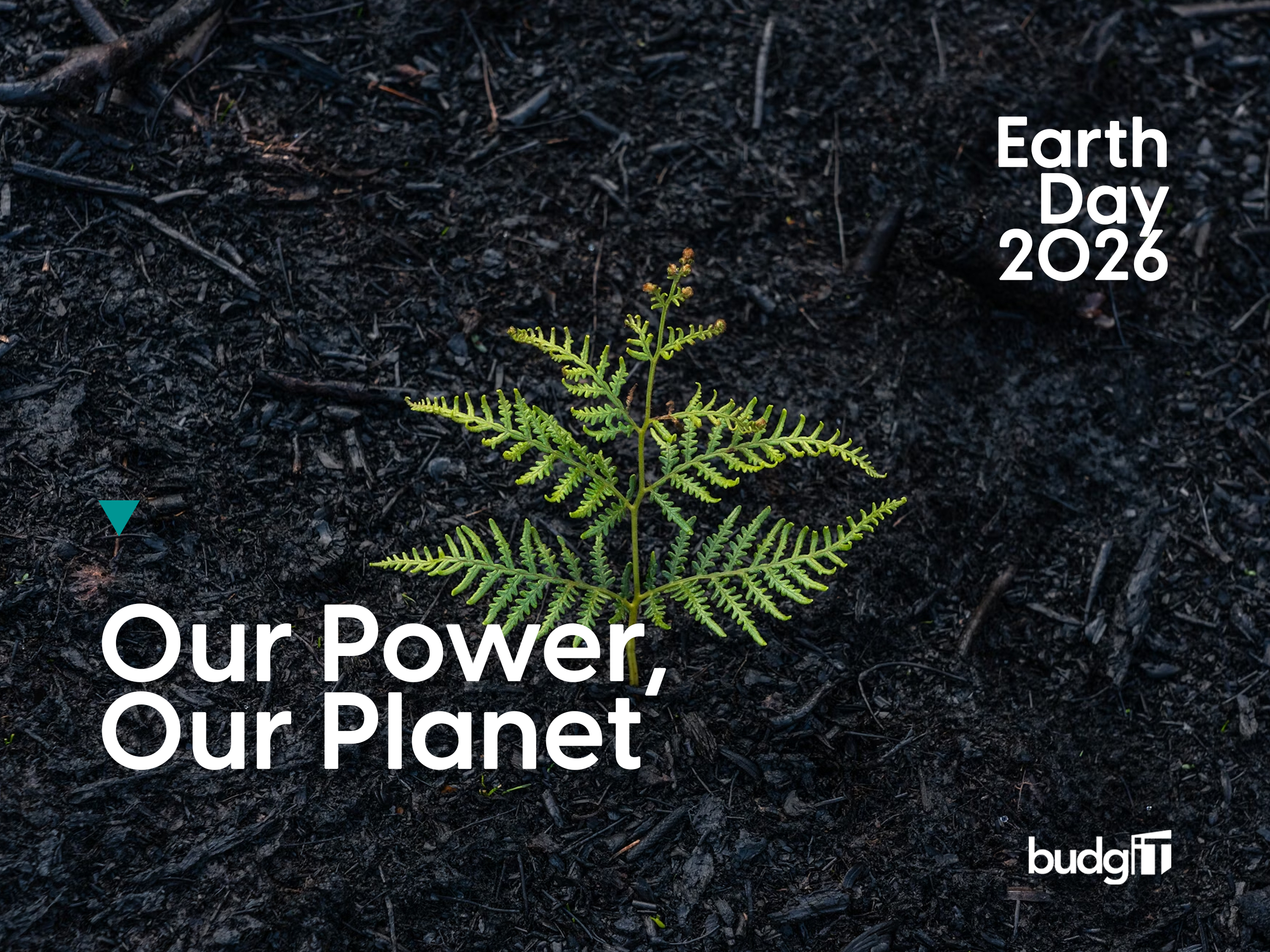

Earth Day 2026: Our power, our planet

Author

Natural Resource and Climate Governance Team

Every year on April 22, the world comes together to celebrate Earth Day, the world’s largest environmental movement.

This day holds immense significance, reminding us of the importance of environmental conservation.

The theme for this year’s Earth Day is “Our Power, Our Planet,” emphasising the need to transition to clean, renewable energy and reduce dependence on fossil fuels.

“Our power, our planet” highlights that the health of our environment depends on the daily choices, advocacy, and actions of communities everywhere.

Our planet faces crises such as rising global temperatures, plastic pollution, widespread deforestation, and biodiversity decline.

In regions like Lagos, Nigeria, these issues manifest locally through urban flooding, plastic pollution in lagoons and beaches, air quality concerns, and the impacts of climate change on coastal communities.

This year’s theme, “Our power, our planet,” aligns closely with Nigeria’s Energy Transition Plan (ETP), updated in 2024. The ETP charts a path to net-zero emissions by 2060 while tackling energy poverty.
It calls for the massive expansion of solar, wind, mini-grids, battery storage, and other renewables to reach a total installed power capacity of about 277 GW, shifting away from heavy dependence on fossil fuels.

Natural gas is positioned as a bridge fuel to provide baseload power and facilitate the integration of variable renewables, alongside flare gas reduction and commercialisation efforts.

This transition promises cleaner air, reduced greenhouse gas emissions, improved public health, the creation of thousands of green jobs (with estimates of up to 840,000 by 2060), and greater energy security for homes and businesses.

Earth Day is the perfect opportunity to raise awareness, build momentum, and support Nigeria’s shift towards a cleaner and more sustainable energy future that balances economic growth with environmental protection.

Earth Day goes beyond raising awareness; it calls for real, everyday action. People can play their part by adopting simple but meaningful habits, such as cutting down on plastic use, saving water, planting trees, choosing eco-friendly products, and getting involved in local clean-up efforts. Small changes like these can collectively create a significant impact on the environment.

Governments and organisations must implement policies that promote environmental protection, invest in clean energy, and enforce regulations that hold polluters accountable.

This is our power, our planet, and this is the moment to act. Use it wisely today to secure a greener, more sustainable tomorrow.
Share This Post

Post Author: Natural Resource and Climate Governance Team

Every year on April 22, the world comes together to celebrate Earth Day, the world’s largest environmental movement.

This day holds immense significance, reminding us of the importance of environmental conservation.

The theme for this year’s Earth Day is “Our Power, Our Planet,” emphasising the need to transition to clean, renewable energy and reduce dependence on fossil fuels.

“Our power, our planet” highlights that the health of our environment depends on the daily choices, advocacy, and actions of communities everywhere.

Our planet faces crises such as rising global temperatures, plastic pollution, widespread deforestation, and biodiversity decline.

In regions like Lagos, Nigeria, these issues manifest locally through urban flooding, plastic pollution in lagoons and beaches, air quality concerns, and the impacts of climate change on coastal communities.

This year’s theme, “Our power, our planet,” aligns closely with Nigeria’s Energy Transition Plan (ETP), updated in 2024. The ETP charts a path to net-zero emissions by 2060 while tackling energy poverty.
It calls for the massive expansion of solar, wind, mini-grids, battery storage, and other renewables to reach a total installed power capacity of about 277 GW, shifting away from heavy dependence on fossil fuels.

Natural gas is positioned as a bridge fuel to provide baseload power and facilitate the integration of variable renewables, alongside flare gas reduction and commercialisation efforts.

This transition promises cleaner air, reduced greenhouse gas emissions, improved public health, the creation of thousands of green jobs (with estimates of up to 840,000 by 2060), and greater energy security for homes and businesses.

Earth Day is the perfect opportunity to raise awareness, build momentum, and support Nigeria’s shift towards a cleaner and more sustainable energy future that balances economic growth with environmental protection.

Earth Day goes beyond raising awareness; it calls for real, everyday action. People can play their part by adopting simple but meaningful habits, such as cutting down on plastic use, saving water, planting trees, choosing eco-friendly products, and getting involved in local clean-up efforts. Small changes like these can collectively create a significant impact on the environment.

Governments and organisations must implement policies that promote environmental protection, invest in clean energy, and enforce regulations that hold polluters accountable.

This is our power, our planet, and this is the moment to act. Use it wisely today to secure a greener, more sustainable tomorrow.
Share This Post

Read More